
Lassi Tummy Trouble
Why did only Kabir have stomach trouble after drinking lassi?

The story
Last Sunday, Riya hosted Kabir and Aaji in her kitchen. Kabir confidently drank two glasses of sweet lassi, boasting he could handle more than anyone. Half an hour later, he began sweating and clutching his stomach, then rushed to the bathroom while Riya and Aaji felt fine. Riya suspected a prank, thinking maybe Aaji had sneaked in chilli powder, but the lassi had no spice. She wondered if Kabir was just pretending. Aaji asked if Kabir always had tummy aches after milk, and Kabir admitted he did, even with plain milk. Aaji explained some people’s bodies can’t break down the sugar in milk. So why did Kabir’s stomach react while Riya and Aaji’s did not?
The science
The answer is lactose intolerance. Some people’s small intestine produces too little of the enzyme called lactase, which is needed to digest lactose, the main sugar in milk. If lactase is missing, lactose is left undigested and passes into the colon. There, bacteria ferment the lactose, creating gas and causing diarrhoea or stomach cramps. This is known as lactose intolerance, and it explains why only Kabir got a tummy upset after drinking lassi. Riya and Aaji’s bodies had enough lactase to digest the lactose, so they felt fine.
Try it
Questions students ask
What causes some people to get stomach aches after drinking milk?
Some people’s bodies do not produce enough of the enzyme lactase, so they cannot digest lactose, the sugar in milk. This leads to stomach trouble, known as lactose intolerance.
Is lactose intolerance the same as a milk allergy?
No, lactose intolerance is not an allergy. It happens when the small intestine makes too little of the enzyme lactase, making it hard to digest lactose, the sugar in milk.
More science stories
View all stories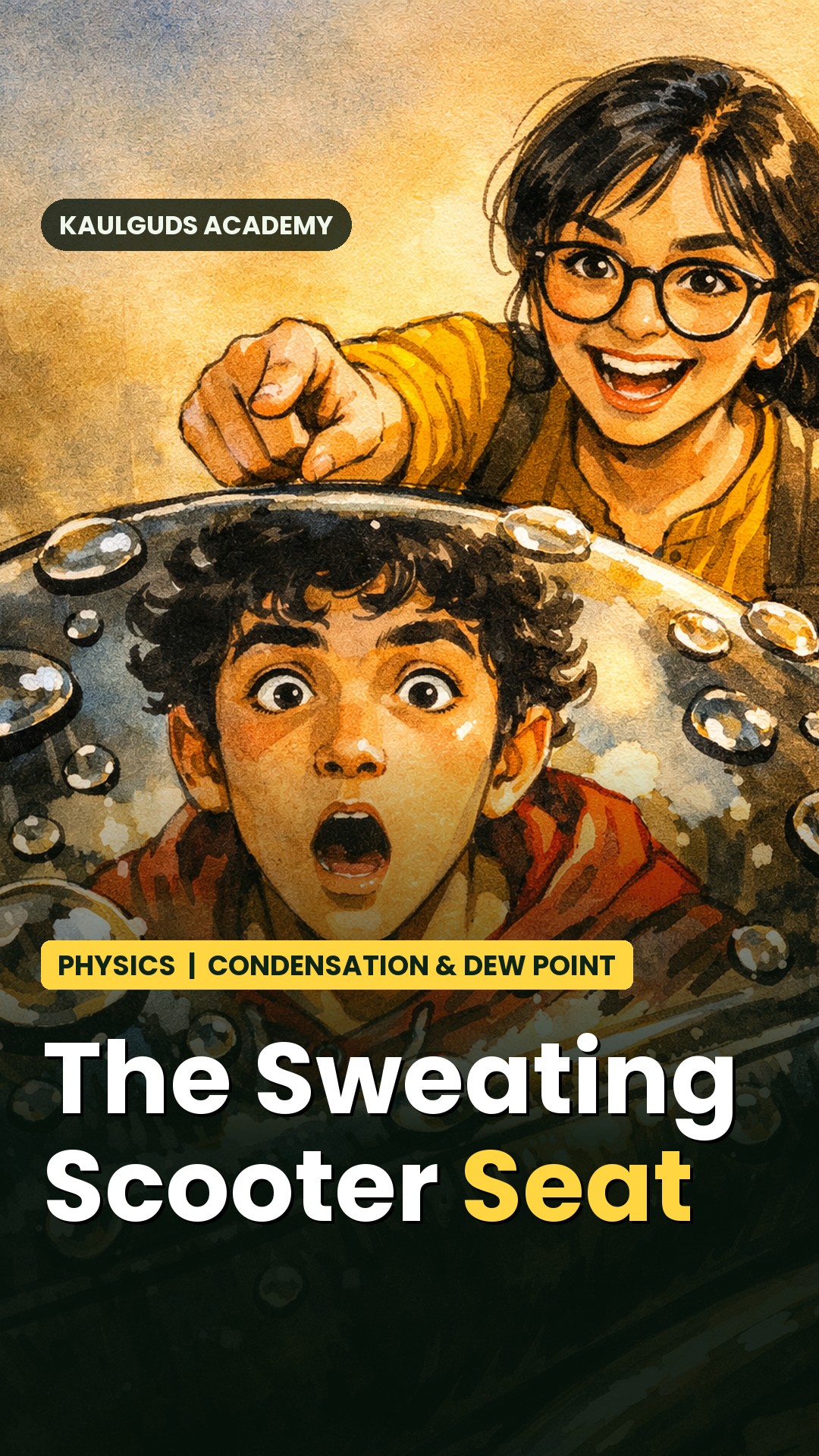
The Sweating Scooter Seat
Why is your scooter seat wet at sunrise, even when it has not rained?
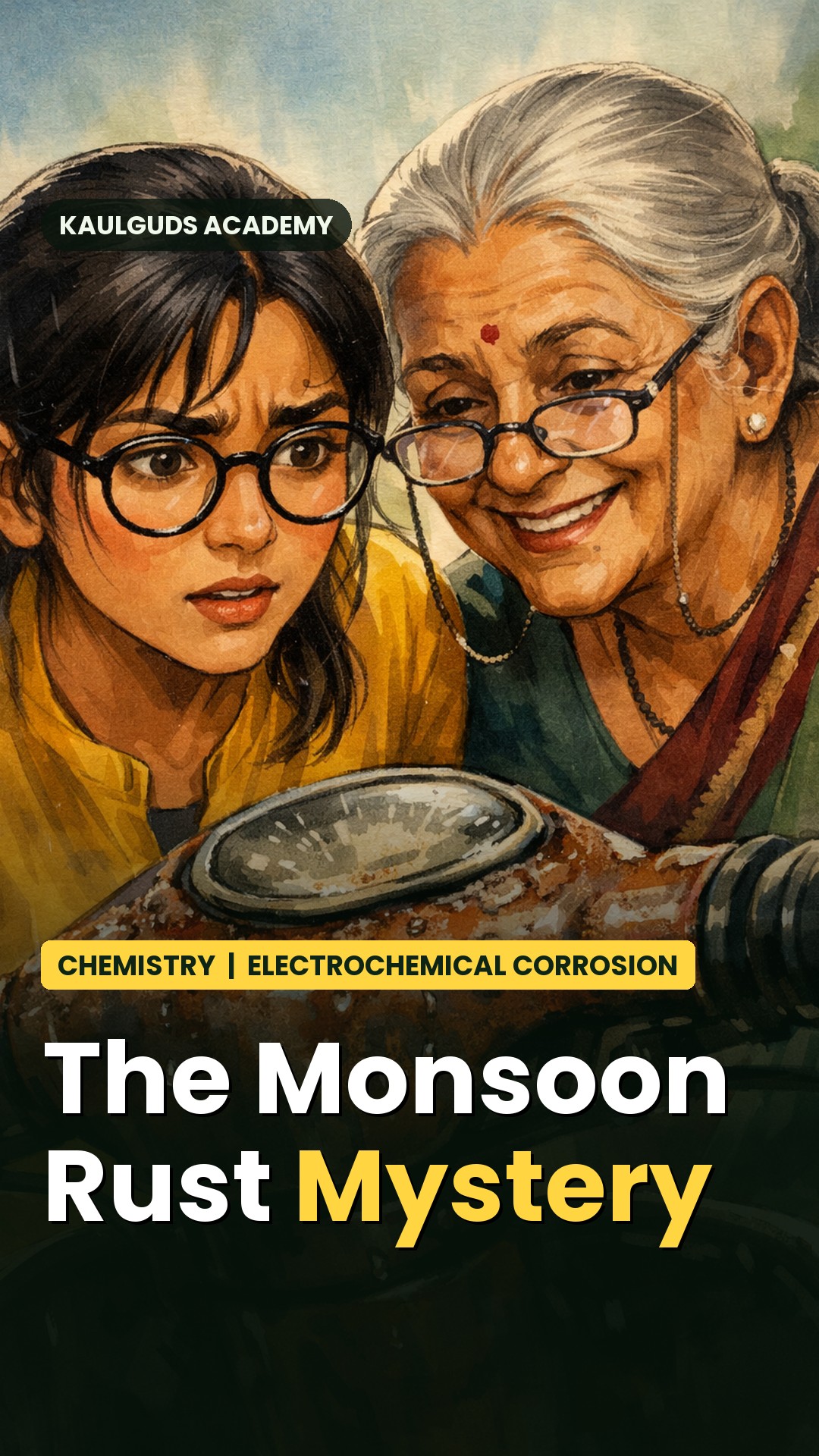
The Monsoon Rust Mystery
Why does Riya’s scooter handle turn reddish after one rainy night?
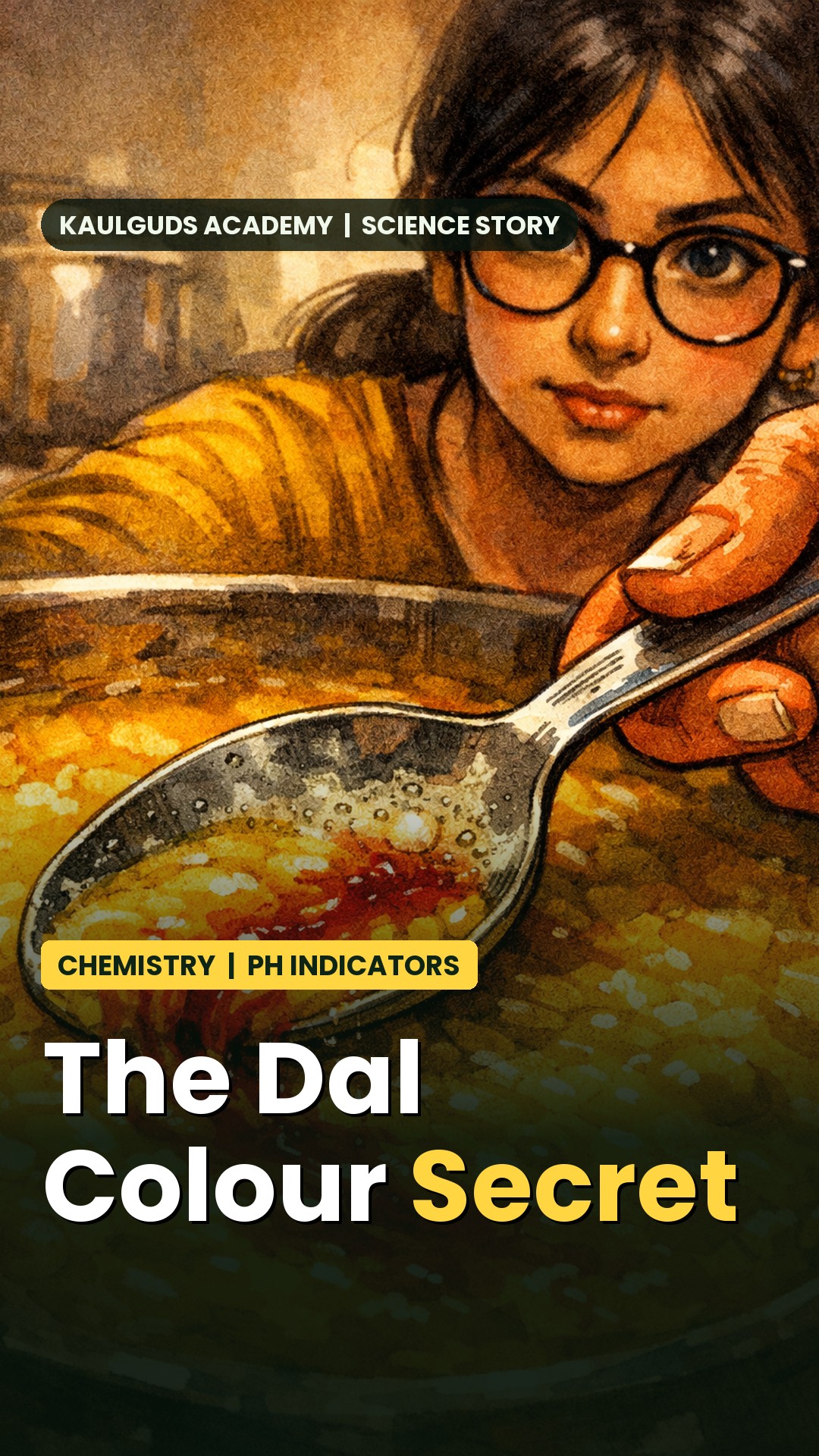
The Dal Colour Secret
Why did Riya’s dal turn red only when a soapy spoon touched it, not with lemon juice?